Cricket, Politics and the Winds of Change in South Asia
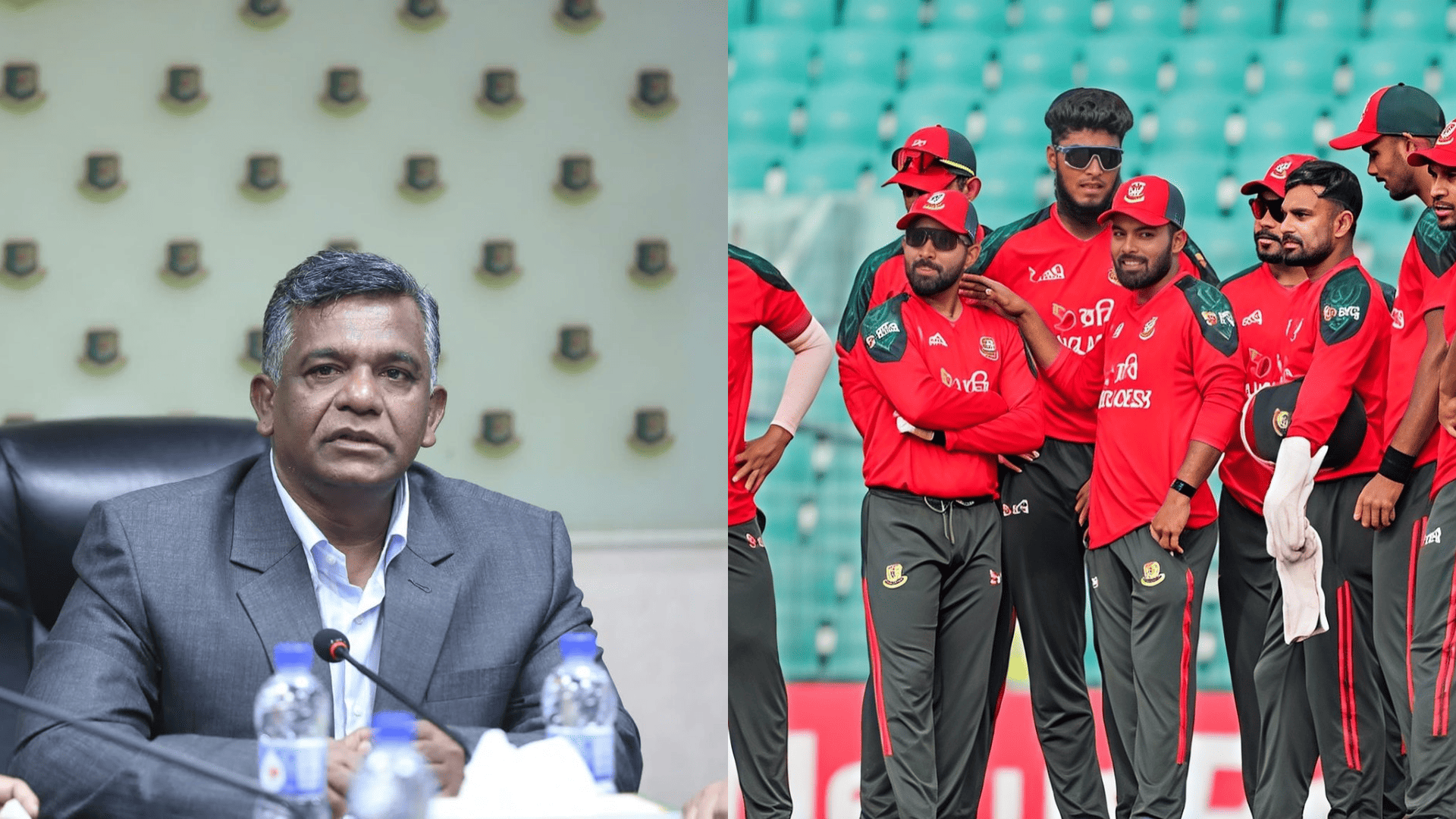
I read a news item yesterday on my way to Colombo that BCB President Aminul Islam Bulbul will be travelling to the Sri Lankan capital to try to mend fences with the BCCI senior management and watch the India–Pakistan encounter.
Why am I not surprised? In fact, this was expected. With the geopolitics of South Asia taking a turn following the Bangladesh elections, and the country set to have a newly elected government by later today, change is inevitable. Bulbul, from day one, was not in favour of the hard line and was forced to toe the line of the political establishment in power. Almost all Bangladeshi media are aware of this. They know the players had very little say in the matter and that it was a political decision imposed on them not to tour India for the World Cup. Bulbul had to maintain the stance or risk being removed.
Now, things are different. The elections, despite the violence, are over. Bangladesh has voted in large numbers to elect a new Prime Minister, and Bulbul is no doubt conscious of which way the wind is blowing. He knows he needs to build ties with India if he wishes to remain relevant in world cricket – and if you want to be close to someone in the current cricketing landscape, it has to be India.
Pakistan has neither the financial clout nor the reliability. If Bulbul can convince the BCCI to tour Bangladesh in September for what could well be termed a “Friendship Tour” (Maitri Safar in Bangla), he could emerge as a national hero. An India tour would mean a financial windfall for the BCB and could resolve many of their monetary concerns in short order.
Also Read T20 World Cup 2026: Fans Left to Pay the Price for Political U-Turns
This move by Bulbul is perhaps the clearest example of how sport and politics in South Asia are inseparable bedfellows. Cricket, a potent instrument of soft power, has long been used for political and diplomatic signalling, and Bulbul’s visit must be understood in that context. As for the players, not one would disagree with the move. From day one, they wanted to play and were desperate for the opportunity. They had qualified for the World Cup, and to take that chance away from them was the wrong decision.
Yet, they had to remain silent. With Asif Nazrul all-powerful on January 21, not a single player spoke out. Now, Nazrul is past; he holds no authority and poses no threat. The olive branch to the BCCI is therefore along expected lines, and I would not be surprised if matters move swiftly enough to make an India tour a genuine possibility.
In Colombo, multiple matches will be played this weekend. While India take on Pakistan on the pitch, off it the BCCI–BCB meeting could prove equally compelling. The ICC, too, will be keen to bring its members together to avoid being exposed to similar pressure in the future.
It is all acutely political and, as George Orwell famously said, “war minus the shooting”. Anyone – including the Pakistan Prime Minister – who claims that sport and politics do not mix is living in a world of illusion.
Follow Revsportz for latest sports news
The post Cricket, Politics and the Winds of Change in South Asia appeared first on Sports News Portal | Revsportz.


Comments
Post a Comment